
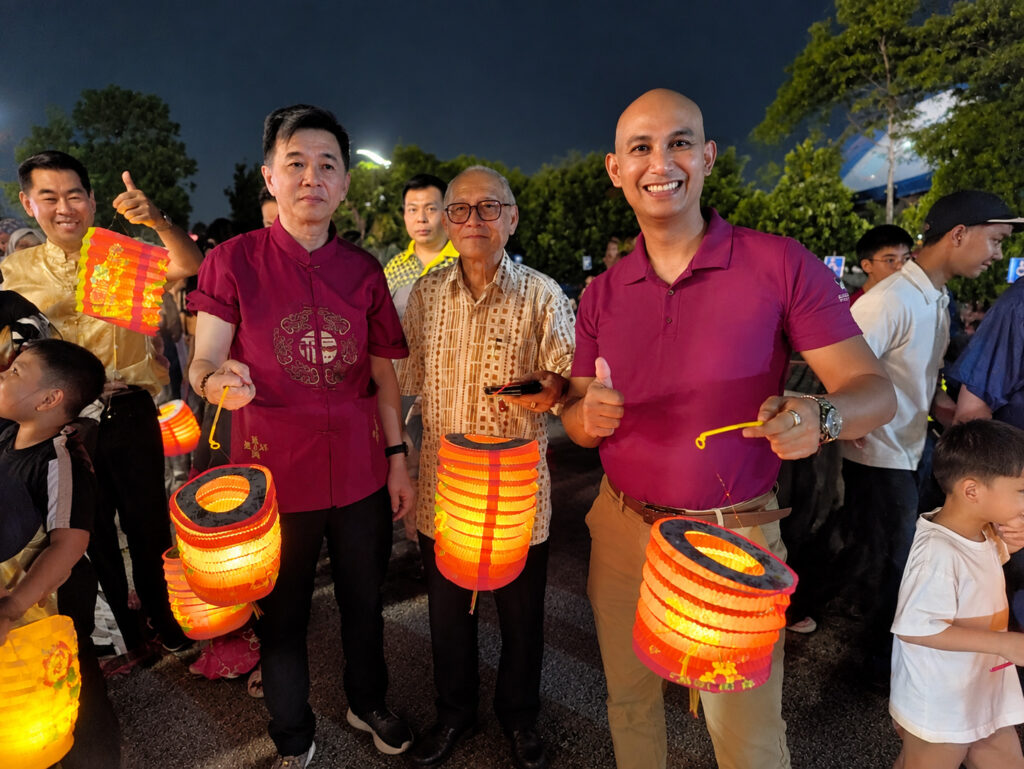
KUALA TERENGGANU — A traditional Chinese cultural celebration took on a new dimension when science became the medium to introduce heritage, values and traditions to a younger generation at the Moon Observation and Lantern Festival held at the Terengganu Science and Creativity Centre (PSKT).
Organised by the Terengganu Huang Association, the one-day programme attracted families and members of the local community, offering participants an opportunity to experience cultural practices while exploring the scientific elements behind activities such as lantern-making and moon observation.
Association president Wee Pit Beng said the programme was designed to create a meaningful connection between cultural heritage and science, particularly among young people who are still developing their understanding of Malaysia’s diverse traditions.
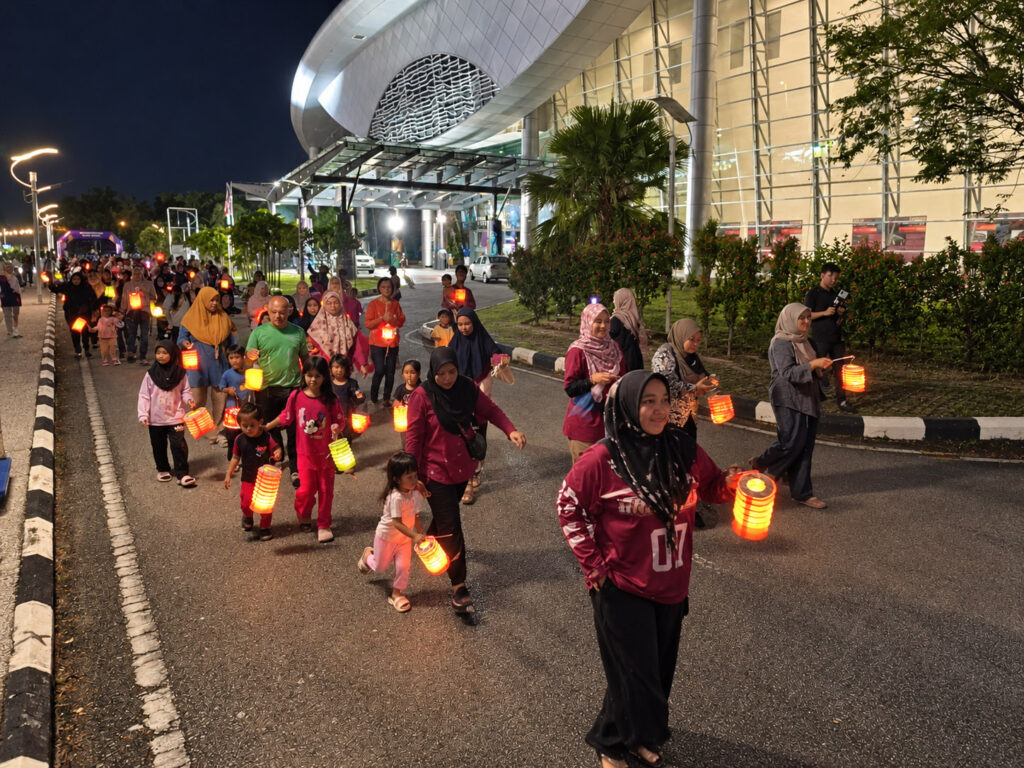
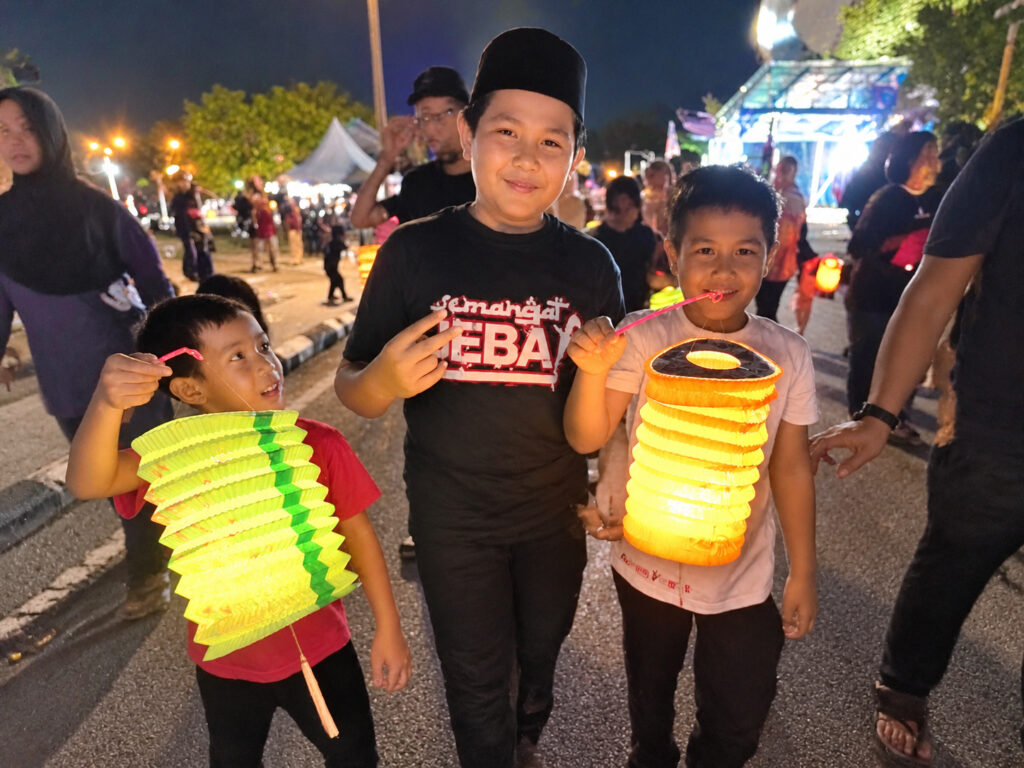
“Lanterns are an important symbol in our culture, but there are also scientific aspects behind how they work that can be explored. Moon observation, which has long been associated with our traditions, can also be viewed from a scientific perspective,” he said.
He said the approach marked a change from last year’s smaller-scale celebration, which was mainly attended by members of the Chinese community in Kuala Terengganu’s Chinatown.
According to Wee, bringing the programme to PSKT provided a wider platform for people from different backgrounds to experience and appreciate Chinese cultural heritage in a more open environment.
“This allows the younger generation and the wider community to understand our traditions while recognising that culture and science can complement each other,” he said.
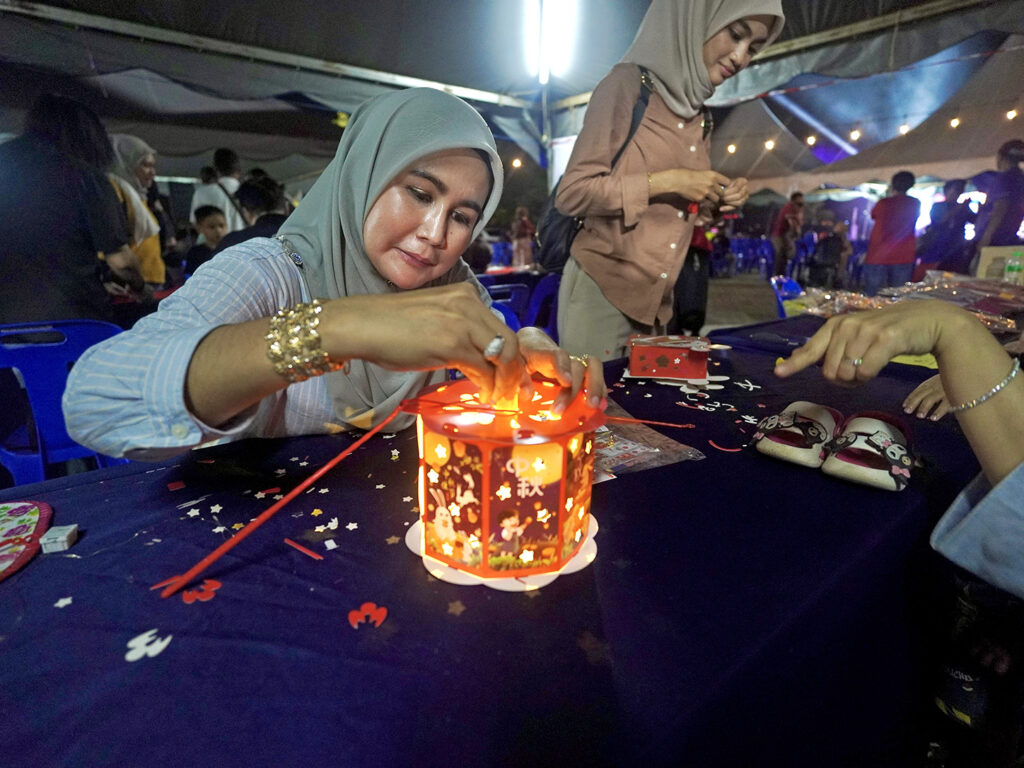
Meanwhile, PSKT Chief Operating Officer Hilman Hajijan said the collaboration reflected the broader role of science centres in connecting knowledge, culture and community engagement.
He said science centres should not only focus on STEM (Science, Technology, Engineering and Mathematics) education but also serve as platforms where learning could take place through different forms of community interaction.
“A science centre is not merely a place to learn science subjects. It can also become a space where knowledge, cultural heritage and community values come together,” he said.
Hilman added that PSKT remained committed to its open-door policy by welcoming collaborations with organisations that contributed positively to society.
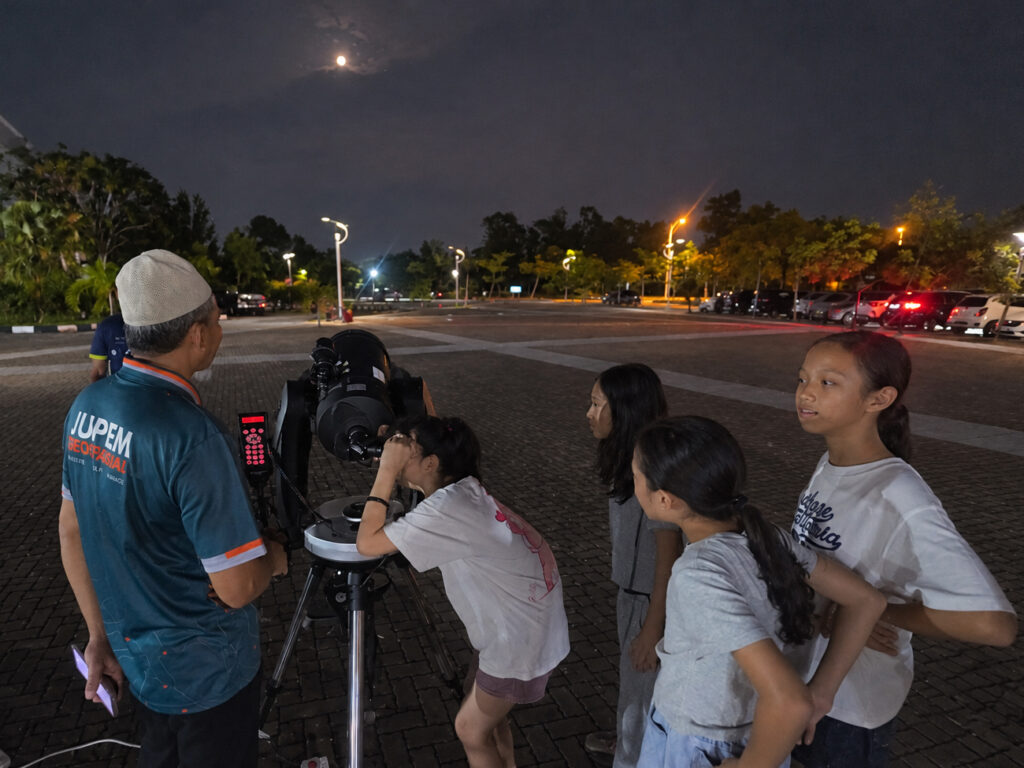
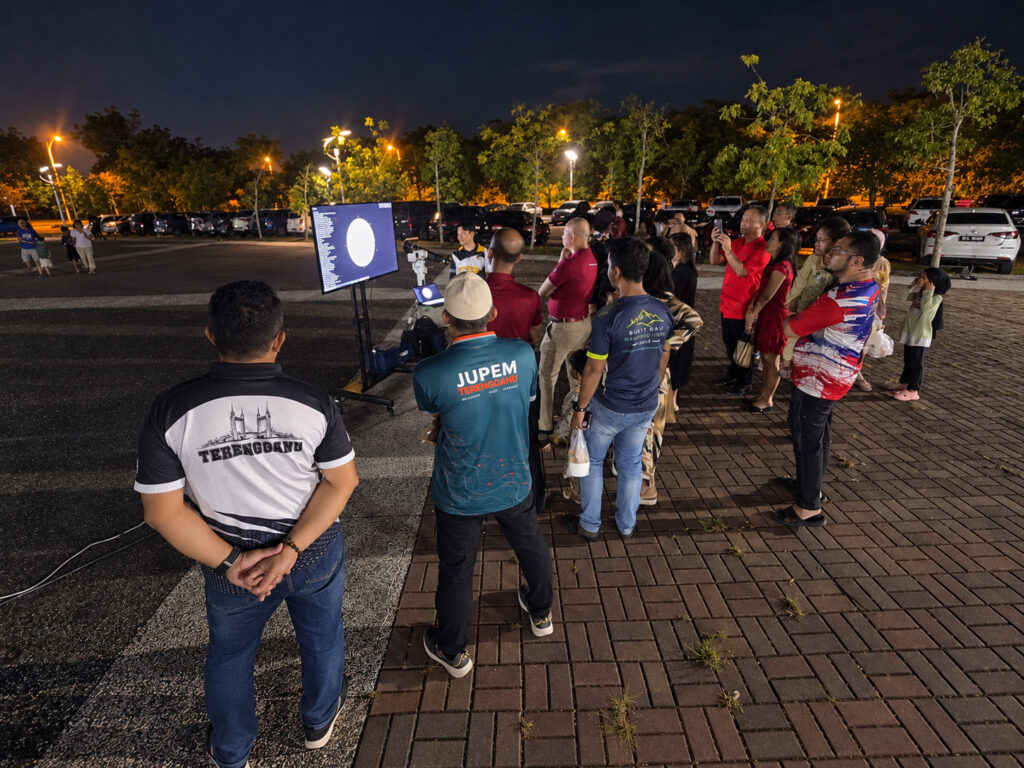
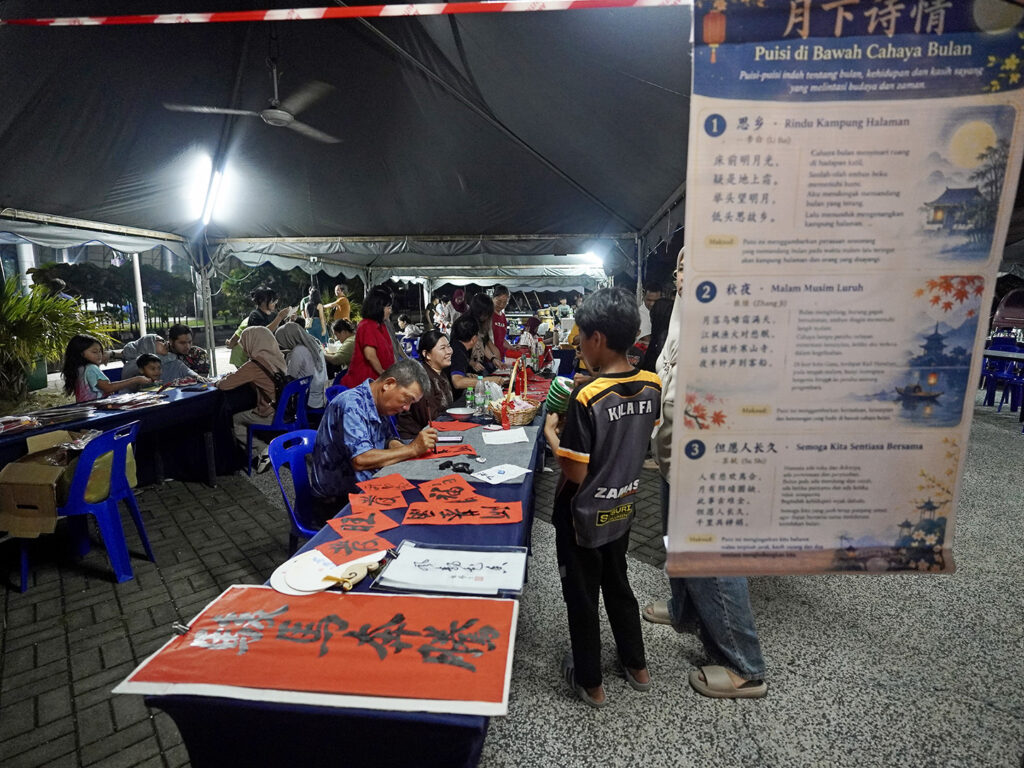
The festival featured various activities including a lantern parade, moon observation session, Chinese Fashion Little Ambassador contest, Citarasa Mek Awang cooking competition, mooncake tasting and cultural performances.
The event also saw participation from people of different age groups, highlighting its role as a platform for cultural appreciation, family engagement and community learning.