
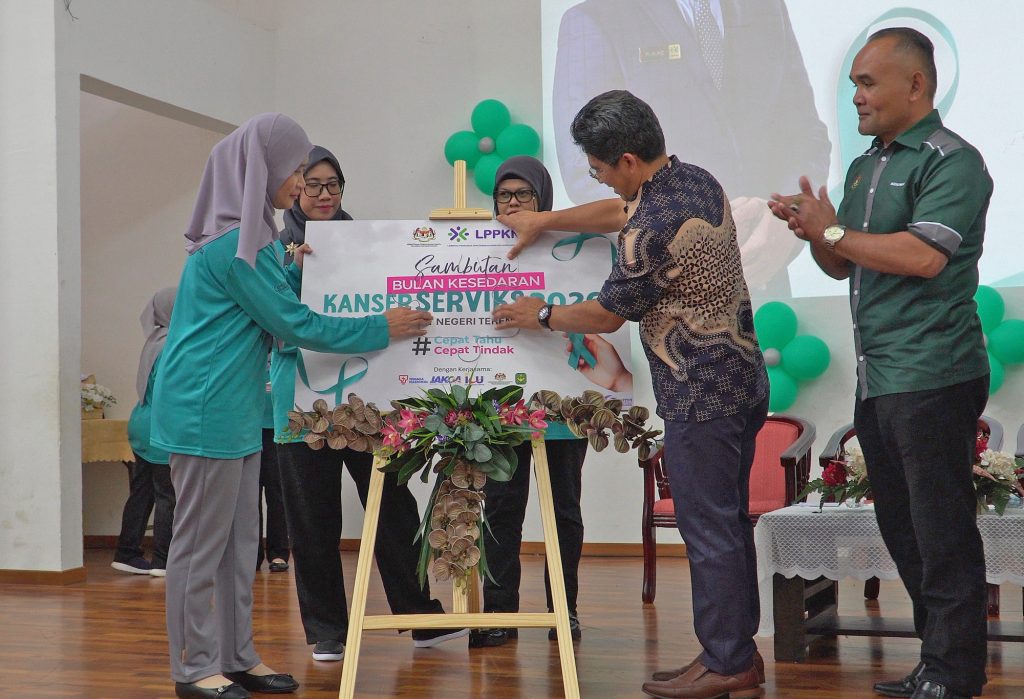
HULU TERENGGANU – A recent study has revealed that only 40 percent of women in Malaysia undergo cervical cancer screening, highlighting the urgent need for greater awareness of the sixth most common cancer among women in the country.
In response, the National Population and Family Development Board (LPKKN) has reaffirmed its commitment to closing the gap in public health access and increasing the number of women who participate in cervical cancer screening nationwide.
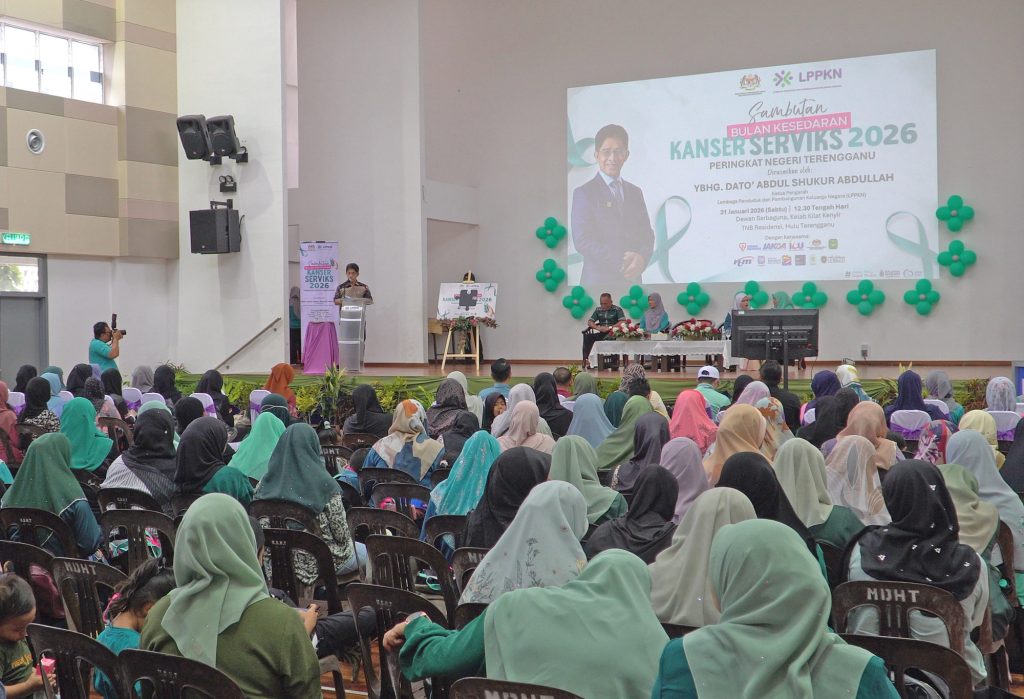
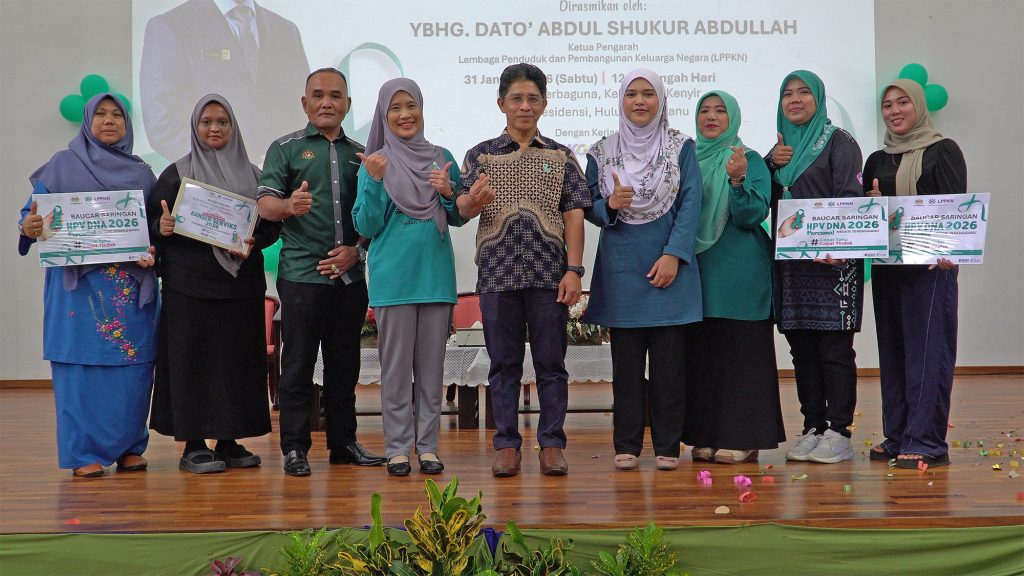
As part of this initiative, LPKKN is appointing community ambassadors, particularly in rural areas, to deliver accurate and culturally sensitive information tailored to local communities. This grassroots approach is designed to overcome barriers of language, culture, and awareness that have hindered participation in screening programs.
Marking Cervical Cancer Awareness Month 2026 in Terengganu, LPKKN has chosen Hulu Terengganu as the focal district for the launch. Several ambassadors from local communities, including representatives from the Orang Asli population, have been appointed to spearhead outreach efforts.
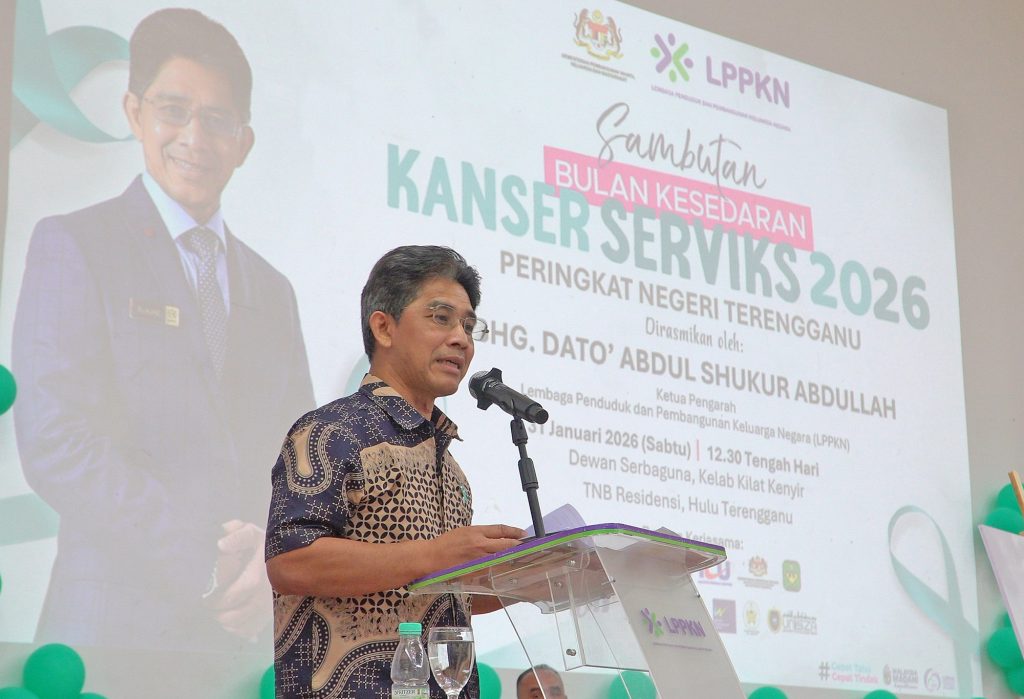
“For 2026, our focus is on rural areas and specific ethnic groups that still face challenges in accessing information about cervical cancer, despite the screening program being introduced in 2019,” said LPKKN Director-General Dato’ Abdul Shukur Abdullah during the launch ceremony in Hulu Terengganu.
“By appointing these ambassadors, we ensure that vital information is communicated in local dialects and cultural contexts. Beyond awareness, these trained ambassadors will also facilitate screening processes within their communities, making the initiative more impactful.”
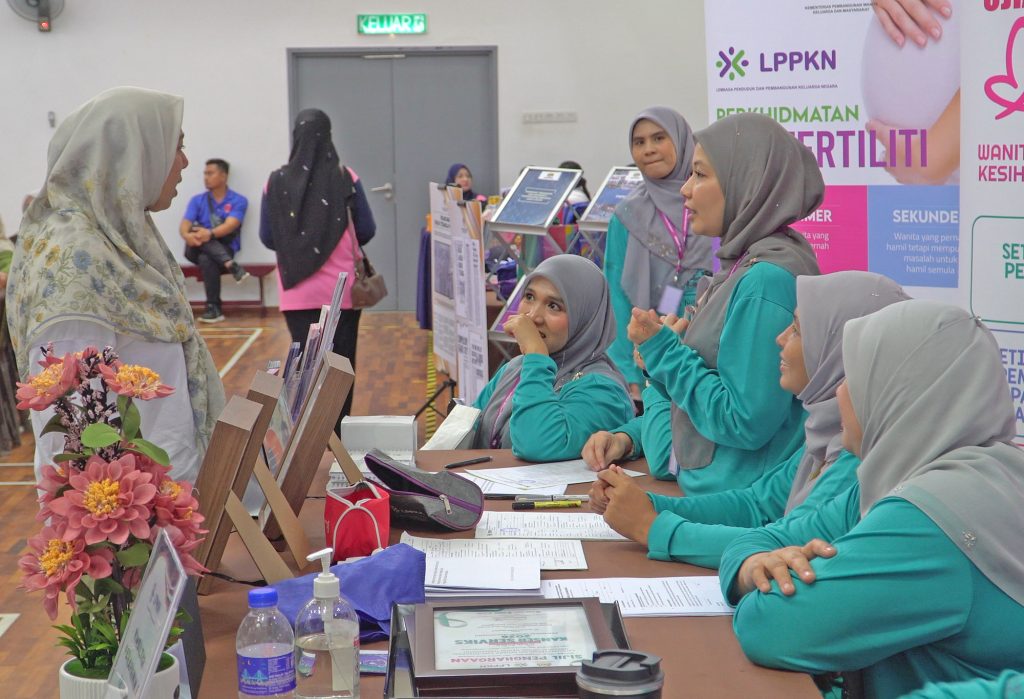
LPKKN has set an ambitious target of appointing 100 Orang Asli ambassadors nationwide, alongside other community representatives, to drive participation in cervical cancer screening. The agency aims to achieve 32,000 screenings across Malaysia in 2026, significantly increasing the current rate and ensuring more women benefit from early detection and preventive care.